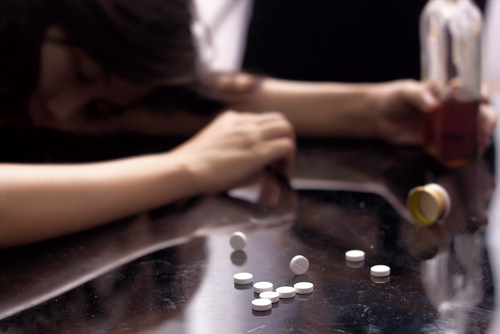
You’ve had too much to drink. Maybe you need to drive home, have an important meeting, or just want to feel normal again. You search “how to sober up fast” and find countless tips: drink coffee, take a cold shower, eat bread, exercise it off.
Here’s the truth nobody wants to hear: There is no way to genuinely sober up fast.
Your liver metabolizes alcohol at a fixed rate, approximately one standard drink per hour, and nothing you do can speed up this biological process. No hack, no home remedy, no miracle cure will change the fact that only time eliminates alcohol from your system.
But that doesn’t mean you’re powerless. While you can’t accelerate sobriety, you can make yourself more comfortable, reduce certain symptoms, and most importantly, avoid making things worse.
In this article, we’ll separate fact from fiction, explain why popular “sobering up” methods don’t work, share strategies that genuinely help with discomfort, and discuss when alcohol consumption becomes a pattern that needs professional attention.
If you or someone you love is struggling with alcohol use and finding yourself searching for ways to sober up more frequently than you’d like, Pathways Recovery Center offers compassionate, evidence-based treatment. Call us to speak with an admissions specialist 24/7.
The Science: Why You Can’t Actually “Sober Up Fast”
How Alcohol Is Metabolized
When you drink alcohol, it’s absorbed into your bloodstream primarily through your stomach and small intestine. From there, it travels throughout your body, affecting your brain, heart, liver, and other organs.
Your liver is responsible for breaking down approximately 90-95% of the alcohol you consume. The process involves two key enzymes:
- Alcohol dehydrogenase (ADH) – Converts alcohol to acetaldehyde (a toxic compound)
- Aldehyde dehydrogenase (ALDH) – Converts acetaldehyde to acetate (a harmless substance)
The remaining 5-10% of alcohol is eliminated through:
- Breath (which is why breathalyzers work)
- Sweat
- Urine
The Fixed Rate of Metabolism
Here’s the critical point: Your liver can only process about 0.015% blood alcohol content (BAC) per hour.
In practical terms, this means:
- 1 standard drink = approximately 1 hour to metabolize
- One 12 oz beer (5% alcohol) = 1 hour
- One 5 oz glass of wine (12% alcohol) = 1 hour
- One 1.5 oz shot of liquor (40% alcohol) = 1 hour
If you have 5 drinks, it will take roughly 5 hours for your body to fully process that alcohol. There’s no shortcut.
Individual Factors That Affect Metabolism
While the basic rate is fixed, several factors influence exactly how alcohol affects you:
- Body weight and composition – More muscle mass = faster metabolism
- Biological sex – Women typically metabolize alcohol more slowly than men
- Age – Metabolism slows as you get older
- Genetics – Variations in ADH and ALDH enzymes affect processing speed
- Liver health – Chronic alcohol use damages liver function over time
- Food consumption – Eating slows absorption but doesn’t speed elimination
- Medications – Some drugs interfere with alcohol metabolism
These factors affect how quickly alcohol enters your system and how intensely you feel its effects, but they don’t significantly change the elimination rate once alcohol is in your bloodstream.
Popular Myths About Sobering Up Fast (And Why They Don’t Work)
Let’s debunk the most common misconceptions about how to sober up quickly:
Myth #1: Coffee Sobers You Up
The Reality: Coffee might make you a more alert drunk person, but you’re still drunk.
Caffeine is a stimulant that can counteract some of alcohol’s sedative effects, making you feel more awake. This creates a dangerous illusion, you may feel capable of driving or making good decisions when you’re actually still significantly impaired.
Studies show that caffeine does not:
- Lower blood alcohol content
- Improve motor coordination
- Restore cognitive function
- Speed up alcohol metabolism
What it does do: Mask how intoxicated you really are, potentially leading to riskier behavior.
Myth #2: Cold Showers Sober You Up
The Reality: A cold shower will make you a cold, wet, drunk person.
While a shock of cold water might jolt you awake temporarily, it does nothing to eliminate alcohol from your system. In fact, sudden temperature changes can be dangerous when you’re intoxicated, potentially causing:
- Shock to the system
- Increased heart rate
- Breathing difficulties
- Increased risk of slips and falls
Myth #3: Eating Bread or Greasy Food Absorbs Alcohol
The Reality: Food helps before or during drinking, not after.
Eating food, especially foods high in fat and protein, slows the absorption of alcohol into your bloodstream when consumed before or while drinking. This means alcohol enters your system more gradually, reducing the intensity of intoxication.
However, once alcohol is already in your bloodstream, eating does not:
- Absorb alcohol that’s already there
- Speed up metabolism
- Lower your BAC
That said, eating when you’re drunk isn’t harmful (and may help prevent a worse hangover), but it won’t sober you up faster.
Myth #4: Exercise or Physical Activity Burns Off Alcohol
The Reality: Exercise doesn’t metabolize alcohol faster and can actually be dangerous.
While physical activity does increase your metabolism slightly, it doesn’t significantly affect how quickly your liver processes alcohol. Moreover, exercising while intoxicated carries serious risks:
- Impaired coordination increases injury risk
- Alcohol impairs thermoregulation (body temperature control)
- Dehydration is worsened by both alcohol and sweating
- Cardiovascular stress is compounded
Myth #5: Vomiting or “Purging” Eliminates Alcohol
The Reality: Vomiting only removes alcohol that hasn’t been absorbed yet.
If you’ve just consumed alcohol and it’s still in your stomach, vomiting can prevent some of it from entering your bloodstream. However:
- Most alcohol is absorbed within 30-60 minutes
- Once in your bloodstream, vomiting doesn’t help
- Inducing vomiting is dangerous and can cause aspiration
- It doesn’t address alcohol already affecting your brain and body
Myth #6: Drinking Water Dilutes Alcohol in Your System
The Reality: Water doesn’t dilute BAC or speed up metabolism.
Staying hydrated is important and can help reduce hangover severity, but water does not:
- Lower the concentration of alcohol in your blood
- Speed up your liver’s processing
- Make you less intoxicated
However, drinking water throughout the night and before bed is beneficial for preventing dehydration and reducing hangover symptoms.
What Actually Helps (And What Doesn’t)
While nothing truly speeds up sobriety, here are strategies that can make you more comfortable and help you avoid making things worse:
Time: The Only Real Solution
Give it 1 hour per drink. This is the only method that actually reduces your BAC.
If you had 4 drinks, plan on waiting at least 4 hours before your BAC returns to zero. Use this time to rest, hydrate, and avoid putting yourself or others in danger.
Stop Drinking Immediately
This seems obvious, but it’s crucial: Stop consuming alcohol right now.
Every additional drink extends the time you’ll be impaired. If you’re trying to sober up, putting more alcohol into your system is counterproductive.
Stay Hydrated
Drink water or electrolyte beverages throughout the process.
While hydration doesn’t sober you up, alcohol is a diuretic (makes you urinate more), leading to dehydration. Drinking water:
- Helps prevent or reduce hangover severity
- Keeps you occupied with a beneficial activity
- Supports overall bodily function
How much? Try to drink one glass of water for every alcoholic drink you consumed.
Eat Something Nutritious
If your stomach can handle it, eating can help stabilize blood sugar and provide nutrients.
Good options include:
- Toast with honey (carbs + simple sugars)
- Bananas (potassium, easy to digest)
- Eggs (protein, amino acids)
- Crackers with cheese (carbs + protein)
- Soup or broth (hydration + nutrients)
Avoid extremely greasy or heavy foods if you’re feeling nauseous, as these can upset your stomach further.
Rest in a Safe Place
Lie down in a comfortable, safe environment.
- Lie on your side (not your back) to prevent choking if you vomit
- Have someone check on you periodically if you’re very intoxicated
- Stay in a temperature-controlled room
- Keep a trash can nearby
- Set an alarm if you need to wake up at a certain time
Have Someone Trustworthy Supervise You
If you’re significantly intoxicated, don’t be alone.
A sober friend or family member can:
- Ensure you don’t hurt yourself
- Prevent you from driving or making poor decisions
- Monitor for signs of alcohol poisoning
- Call for medical help if needed
- Keep you on your side if you’re sleeping
Know When to Seek Medical Help
Alcohol poisoning is a medical emergency. Call 911 immediately if you or someone else experiences:
- Confusion or inability to wake up
- Vomiting while unconscious or semi-conscious
- Seizures
- Slow or irregular breathing (fewer than 8 breaths per minute)
- Blue or pale skin
- Low body temperature (hypothermia)
- Loss of consciousness that you can’t wake them from
Do not wait to see if symptoms improve. Alcohol poisoning can be fatal.
The Real Question: Why Are You Searching This?
If you’re reading this article, you’ve likely found yourself in a situation where you needed to sober up quickly. Maybe it’s a one-time mistake, or maybe it’s becoming a pattern.
Here are some questions worth considering honestly:
Occasional vs. Pattern
Occasional situations that might prompt this search:
- You misjudged your tolerance at a social event
- You mixed drinks too quickly without eating
- You’re inexperienced with alcohol
- Someone made your drinks stronger than you realized
Patterns that might indicate a problem:
- You regularly drink more than intended
- You’ve driven or considered driving while impaired
- You need to “sober up” frequently for work or family obligations
- You feel unable to stop once you start drinking
- Others have expressed concern about your drinking
- You’ve tried to cut back on your own but can’t
- You need alcohol to feel normal or to cope with stress
The Consequences of Needing to “Sober Up Fast”
Think about what led you to this moment:
- Have you put yourself in danger by drinking and then needing to drive?
- Have you jeopardized your job, relationships, or responsibilities?
- Do you find yourself making excuses or hiding your drinking?
- Have you experienced blackouts or memory loss?
- Do you feel anxious or guilty about your drinking?
If any of these resonate, it may be time to examine your relationship with alcohol more closely.
When Social Drinking Becomes a Problem
Understanding Alcohol Use Disorder (AUD)
Alcohol Use Disorder is a medical condition characterized by an impaired ability to stop or control alcohol use despite adverse social, occupational, or health consequences.
According to the National Institute on Alcohol Abuse and Alcoholism (NIAAA), approximately 14.5 million Americans ages 12 and older have AUD.
Common signs include:
- Drinking more or longer than intended
- Wanting to cut down but being unable to
- Spending a lot of time drinking or recovering from drinking
- Craving alcohol
- Failing to fulfill obligations due to drinking
- Continuing to drink despite relationship problems
- Giving up activities you once enjoyed
- Drinking in dangerous situations
- Developing tolerance (needing more to feel effects)
- Experiencing withdrawal symptoms when not drinking
If you’ve experienced 2 or more of these in the past year, you may have AUD. The more symptoms, the more severe the disorder.
The Progression: From Social to Problematic
Alcohol use exists on a spectrum:
Low-Risk Drinking:
- Moderate consumption within guidelines
- No negative consequences
- Occasional use only
- Can easily stop or skip alcohol
Risky Drinking:
- Frequently exceeding recommended limits
- Occasional blackouts or hangovers
- Some negative consequences (arguments, missed work)
- Thinking about cutting back
Problem Drinking:
- Regular heavy drinking
- Frequent negative consequences
- Difficulty controlling consumption
- Others express concern
- May experience mild withdrawal
Alcohol Use Disorder:
- Compulsive drinking despite serious consequences
- Loss of control over consumption
- Physical dependence and withdrawal symptoms
- Significant life disruption
- May require medical detox to stop safely
Why “Just Cutting Back” Doesn’t Always Work
Many people try to moderate their drinking on their own with limited success. This isn’t a personal failing, it’s the nature of the condition.
Alcohol affects brain chemistry in ways that make it genuinely difficult to control consumption once dependence develops:
- Dopamine dysregulation – Your brain’s reward system becomes reliant on alcohol
- GABA/Glutamate imbalance – Your nervous system adapts to alcohol’s presence
- Tolerance – You need more alcohol to achieve the same effect
- Withdrawal – Your body experiences discomfort when alcohol levels drop
These biological changes mean that willpower alone often isn’t enough. Professional treatment addresses these underlying neurological and physiological factors.
Professional Treatment: When It’s Time to Seek Help
Recognizing When You Need Support
If you relate to any of the following, professional treatment may be beneficial:
- You’ve tried to quit or cut back multiple times without success
- You experience withdrawal symptoms when you stop drinking
- Your drinking is affecting your health, relationships, or work
- You feel unable to function without alcohol
- You’re drinking to cope with stress, anxiety, or other emotions
- You’ve had serious consequences but continue drinking anyway
- You’re searching “how to sober up fast” more often than you’d like
You don’t have to hit “rock bottom” to seek help. Early intervention leads to better outcomes.
What Professional Treatment Offers
Evidence-based alcohol treatment provides what you can’t access on your own:
Medical Detox:
- 24/7 supervision during withdrawal
- Medications to ease symptoms and prevent complications
- Safety monitoring for severe symptoms like seizures or DTs
- Nutritional support and hydration
Residential/Inpatient Treatment:
- Structured environment free from triggers
- Daily therapy and counseling sessions
- Peer support and community
- Education about addiction and recovery
- Development of coping skills
- Treatment for co-occurring mental health conditions
Intensive Outpatient Programs (IOP):
- Flexibility to maintain work or family obligations
- Regular therapy sessions (typically 3-5 days/week)
- Continued support while living at home
- Gradual transition back to daily life
Ongoing Support:
- Individual therapy
- Group counseling
- Medication-assisted treatment if appropriate
- Alumni programs
- Family therapy
- Relapse prevention planning
How Pathways Recovery Center Can Help
At Pathways Recovery Center in Azusa, California, we understand that taking the first step is often the hardest. We offer:
Comprehensive Assessment: Our admissions team will help you understand:
- The severity of your alcohol use
- Whether medical detox is necessary
- Which level of care is appropriate for your situation
- How your insurance can cover treatment
Medical Detox: If you’ve developed physical dependence on alcohol, our supervised medical detox provides:
- 24/7 monitoring by licensed medical staff
- Medications to ease withdrawal symptoms
- Safety protocols to prevent complications
- Comfortable, private accommodations
- Immediate transition to ongoing treatment
Evidence-Based Treatment: Our programs combine proven therapies:
- Cognitive Behavioral Therapy (CBT)
- Dialectical Behavior Therapy (DBT)
- Motivational Interviewing
- Trauma-informed care
- Dual diagnosis treatment for co-occurring conditions
- Family therapy and education
- Holistic wellness practices
Insurance Coverage: We accept most major insurance plans, including:
- Aetna
- Anthem Blue Cross Blue Shield
- Cigna
- First Health
- GEHA
- Humana
- PHCS
Our admissions team can verify your coverage and explain your benefits within minutes. Call us any time, day or night.
Harm Reduction: Safer Drinking Strategies
If you’re not ready for treatment but want to reduce risks associated with drinking, consider these harm reduction strategies:
Before You Drink
- Eat a substantial meal with protein, fat, and carbohydrates
- Set a limit on how many drinks you’ll have before you start
- Plan transportation so you’re never tempted to drive
- Stay hydrated by drinking water throughout the day
- Get adequate sleep so you’re not using alcohol for energy
While You’re Drinking
- Alternate alcoholic drinks with water or non-alcoholic beverages
- Pace yourself to roughly one drink per hour
- Avoid mixing different types of alcohol
- Know what a “standard drink” actually is (often less than what’s poured)
- Stay with trusted friends who will look out for you
- Keep track of how many drinks you’ve actually had
After Drinking
- Never drive or operate machinery, no exceptions
- Stay hydrated with water or electrolyte drinks
- Eat something if your stomach will tolerate it
- Sleep on your side to prevent choking if you vomit
- Have someone check on you if you’re heavily intoxicated
- Reflect on what led you to drink more than intended
Know Your Limits
Low-risk drinking guidelines (for those without AUD):
- For men: No more than 4 drinks on any single day and no more than 14 per week
- For women: No more than 3 drinks on any single day and no more than 7 per week
These are maximum guidelines, not recommendations. Lower consumption is always safer.
Some people should not drink at all:
- Anyone under 21
- Pregnant women or those trying to conceive
- People taking medications that interact with alcohol
- People with certain medical conditions
- Those with a history of AUD
- People who will be driving or operating machinery
The Bottom Line
The hard truth: There is no way to truly sober up fast. Your liver metabolizes alcohol at a fixed rate of approximately one standard drink per hour, and no trick, tip, or home remedy will change that biological reality.
What you can do:
- Stop drinking immediately
- Stay hydrated
- Eat something nutritious
- Rest safely
- Wait it out
What doesn’t work:
- Coffee
- Cold showers
- Exercise
- Vomiting
- Bread or greasy food
Most importantly: If you’re frequently searching for ways to sober up quickly, it may be time to examine your relationship with alcohol. Patterns of heavy drinking, inability to control consumption, or drinking despite negative consequences are signs that professional help could make a significant difference in your life.
You Don’t Have to Figure This Out Alone
Recovery from alcohol use disorder is possible, and thousands of people successfully overcome alcohol dependence every year with proper support and treatment.
At Pathways Recovery Center, we offer:
- Confidential assessments 24/7
- Insurance verification within minutes
- Safe, medically supervised detox
- Comprehensive treatment programs
- Compassionate, non-judgmental care
- Flexible scheduling to fit your life
Call anytime to speak with an admissions specialist. We’re here to help, not to judge. Whether you’re ready for treatment today or just exploring your options, we’ll provide honest guidance and support.
Frequently Asked Questions
How long does it take to sober up from alcohol? It takes approximately one hour for your body to metabolize one standard drink. If you’ve had 4 drinks, expect at least 4 hours before your BAC returns to zero. This can vary slightly based on body weight, biological sex, age, and liver health.
Does drinking water help you sober up faster? No, water does not speed up alcohol metabolism or lower your BAC. However, staying hydrated is important because alcohol is a diuretic. Water can help reduce hangover severity but won’t make you sober faster.
Can you sweat out alcohol? Only about 2-5% of alcohol is eliminated through sweat. The vast majority (90-95%) is processed by your liver. Exercise and sweating do not significantly speed up this process and can actually be dangerous while intoxicated.
Will throwing up help me sober up? Vomiting can only prevent alcohol from being absorbed if it’s still in your stomach (generally within 30-60 minutes of drinking). Once alcohol is in your bloodstream, vomiting doesn’t lower your BAC or make you sober faster.
How can I pass a breathalyzer test? The only way to pass a breathalyzer test is to wait until your BAC drops below the legal limit (0.08% in most U.S. states). No method will trick a breathalyzer, only time works. Mouthwash, mints, or pennies under your tongue do not work.
What’s the fastest way to get alcohol out of your system for a drug test? There is no way to speed up alcohol elimination for a drug test. Your liver processes alcohol at a fixed rate. A standard urine test can detect alcohol for 12-48 hours after drinking, while more sensitive tests (like EtG) can detect it for up to 80 hours.
Is it safe to sleep off alcohol? Sleeping is generally safe as long as you’re not at risk for alcohol poisoning. Always sleep on your side (not your back) to prevent choking if you vomit, and have someone check on you periodically if you’re heavily intoxicated. Seek medical help if you can’t wake someone up.
Can certain foods absorb alcohol in your stomach? Eating food before or while drinking slows alcohol absorption into your bloodstream, which can reduce intoxication. However, once alcohol is already in your bloodstream, eating doesn’t absorb or eliminate it. Food may help you feel better but won’t make you sober faster.
Why do I feel drunker than my friends after the same amount? Many factors affect how alcohol affects you: body weight and composition, biological sex, genetics, medications, food intake, tolerance level, and liver health. Women generally metabolize alcohol more slowly than men, and people with lower body weight feel effects more intensely.
When should I seek medical help for alcohol intoxication? Call 911 immediately if someone experiences: inability to wake up, vomiting while unconscious, seizures, slow breathing (fewer than 8 breaths per minute), blue-tinged or pale skin, or extremely low body temperature. Don’t wait to see if symptoms improve, alcohol poisoning can be fatal.