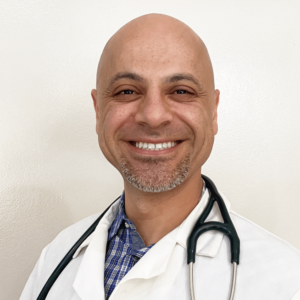
Medically reviewed by David I. Deyhimy, MD, FASAM — Board-Certified Addiction Medicine & Anesthesiology
Pathways Recovery Center accepts pregnant women for medically supervised detox. We are one of the few facilities in the San Gabriel Valley and greater Los Angeles area with the clinical infrastructure to safely manage withdrawal during pregnancy. Federal law requires that substance use disorder treatment programs provide priority admission to pregnant women — and we honor that mandate 24 hours a day, seven days a week.
Why Detox During Pregnancy Requires Specialized Medical Care
Pregnancy fundamentally changes the risk profile of substance withdrawal. What is medically uncomfortable for a non-pregnant adult can become life-threatening for a fetus. Alcohol withdrawal can cause seizures in the mother, which directly compromise fetal oxygenation. Opioid withdrawal triggers uterine contractions, increases the risk of preterm labor, and can cause fetal distress. Abrupt cessation of benzodiazepines carries seizure risk that is dangerous for both mother and fetus.
This is why unsupervised detox — or detox at a facility without obstetric coordination — is not appropriate for pregnant patients. Most detox centers lack the staff protocols, medication management expertise, and physician oversight to safely accept pregnant women. Pathways has built the clinical infrastructure to do this safely.
Under the Substance Abuse Prevention and Treatment Block Grant, federally funded treatment programs are required to give priority admission to pregnant women. Despite this mandate, qualified facilities remain scarce. Pathways fills that gap in the San Gabriel Valley.
Substances We Treat During Pregnancy
Alcohol: Alcohol withdrawal is medically serious under any circumstances and becomes more dangerous during pregnancy. We manage alcohol withdrawal using benzodiazepine-based protocols (CIWA-guided), thiamine supplementation to prevent Wernicke encephalopathy, and continuous fetal monitoring during acute withdrawal. Continued alcohol use carries the risk of fetal alcohol spectrum disorder — medically supervised detox is safer than continued use.
Opioids: Opioid withdrawal during pregnancy requires a careful balance. Cold turkey opioid cessation is not recommended in pregnancy due to the risk of preterm labor and fetal distress. Depending on clinical assessment, our physicians may initiate buprenorphine (Suboxone) or methadone for opioid-dependent pregnant patients, consistent with ACOG guidelines. Neonatal abstinence syndrome (NAS) is a known and manageable outcome — we coordinate with OB providers and neonatal teams accordingly.
Benzodiazepines: Benzo withdrawal carries seizure risk that can be catastrophic during pregnancy. We use a physician-directed tapering protocol — typically a long-acting benzodiazepine equivalency taper — with close monitoring for breakthrough seizure activity. Inpatient management is essential for pregnant patients on significant benzo doses.
Methamphetamine: Meth withdrawal does not typically carry the same acute physiological danger as alcohol or benzos, but it causes significant cardiovascular stress and disrupts fetal growth. Our physicians monitor cardiovascular function and fetal wellbeing throughout the withdrawal period.
What Medical Support Looks Like at Pathways
On admission, every pregnant patient receives a full medical evaluation by our physician, baseline vital signs, and laboratory work including a complete metabolic panel. We establish a clinical baseline and initiate a withdrawal management protocol specific to the substance or substances involved.
Throughout the stay, our nursing staff monitors vital signs on a scheduled basis. Physician oversight is available 24 hours a day. For patients requiring OB consultation, we coordinate with obstetric providers in the Azusa and San Gabriel Valley area — our team works directly with your OB or midwife to ensure continuity of prenatal care during your stay.
If a patient shows signs of obstetric emergency — fetal distress, preterm contractions, or maternal decompensation — we have transfer protocols in place to the nearest appropriate obstetric facility. Patient safety is the first clinical priority at every stage.
Common Fears — Addressed Directly
Will I lose custody of my baby? Voluntarily seeking medical treatment for substance use is evidence of responsible parenting, not neglect. California’s Department of Social Services and most family court judges view voluntary treatment positively. Ignoring the problem is far more likely to trigger child welfare involvement than seeking care. We can discuss your specific situation confidentially.
Is detox safe for my baby? Medically supervised detox is safer than continued substance use during pregnancy in virtually every clinical scenario. Continued alcohol use causes fetal alcohol spectrum disorder. Continued opioid use without monitoring increases miscarriage and stillbirth risk. The discomfort of managed withdrawal is far preferable to the documented harms of ongoing use — and our medical team manages that discomfort throughout your stay.
Will I be judged? No. Every patient at Pathways is treated with clinical professionalism regardless of how they arrived at this point. Our staff understands substance use disorder as a medical condition. You will be assessed, treated, and supported — not lectured.
What to Expect on Admission Day
When you arrive, you will be greeted by our admissions team and taken immediately to a private assessment room. A nurse completes an initial intake assessment — vital signs, medical history, substance use history, and current pregnancy status. Blood is drawn for a complete laboratory panel. Our physician then conducts a full medical evaluation.
Within the first few hours of admission, a withdrawal management protocol is initiated based on your specific clinical presentation. Medications are started as needed. You are assigned a room and given time to settle in. Your prenatal care schedule is documented and our team coordinates with your OB provider to ensure continuity.
The process is clinical, thorough, and designed to begin managing your withdrawal safely as quickly as possible.
Insurance Coverage for Detox During Pregnancy
Most PPO insurance plans cover medically supervised detox under the Mental Health Parity and Addiction Equity Act (MHPAEA), which requires insurers to cover substance use disorder treatment at parity with medical and surgical benefits. Pregnancy often accelerates prior authorization for detox — insurers recognize the medical urgency.
Pathways accepts Aetna, Blue Cross Blue Shield, Cigna, UnitedHealthcare, and most PPO plans. Our admissions team verifies benefits before your arrival — same-day verification is standard. You do not need to navigate insurance on your own.
Call (866) 708-2115 and our team will verify your benefits, answer your clinical questions, and arrange admission — often the same day you call.
Frequently Asked Questions
Is it safe to detox from alcohol while pregnant?
Medically supervised alcohol detox is safe during pregnancy and is significantly safer than continued alcohol use. Alcohol withdrawal carries seizure risk that requires medical management — this is true for all patients, and the stakes are higher in pregnancy because maternal seizures compromise fetal oxygenation. At Pathways, we manage alcohol withdrawal using CIWA-guided benzodiazepine protocols with continuous monitoring. Unsupervised cold turkey alcohol cessation is not recommended during pregnancy.
Will I lose custody of my baby if I go to detox?
Voluntarily entering treatment is generally viewed favorably by child welfare systems and family courts. California law does not mandate reporting of a pregnant woman solely for seeking substance use treatment. The risk to custody comes from untreated substance use, not from seeking care. We recommend discussing your specific legal situation with an attorney, but the clinical and practical evidence strongly favors treatment over avoidance.
Does insurance cover detox for pregnant women in California?
Yes, in most cases. The Mental Health Parity and Addiction Equity Act requires insurers to cover substance use disorder treatment comparably to medical care. Most PPO plans cover inpatient detox. Medi-Cal covers substance use disorder treatment for pregnant women with expedited authorization. Call us at (866) 708-2115 and we will verify your specific benefits before admission — no cost, no obligation.
How soon can I be admitted to Pathways for detox while pregnant?
In most cases, same-day or next-day admission is possible. Our admissions team handles insurance verification and clinical pre-screening by phone. Once your benefits are confirmed and the clinical intake is complete, we schedule your arrival. If you are in acute distress or believe there is a fetal emergency, go to the nearest emergency room first — then call us from there and we will coordinate the transfer.
What is neonatal abstinence syndrome (NAS) and how does Pathways handle it?
Neonatal abstinence syndrome occurs when a newborn experiences withdrawal from substances the mother used during pregnancy — most commonly opioids. NAS is a known, manageable medical condition. At Pathways, we document your substance use history thoroughly and coordinate with your OB provider and the delivering hospital’s neonatal team so they are prepared to monitor and treat NAS if it occurs. We do not hide or minimize this risk — we plan for it.
Can I bring my other children with me?
Pathways is a medically supervised inpatient detox facility — it is not structured to accommodate children on-site. If you have dependent children, our admissions team can help you think through care arrangements. Many patients coordinate with family members, partners, or emergency childcare providers. This should not be a barrier to seeking treatment — call us and we will work through the logistics together.
Pathways Recovery Center is available 24 hours a day. Call us today for a free assessment and same-day insurance verification. Admission can often be arranged the same day you call.
About the Medical Reviewer
David I. Deyhimy, MD, FASAM
Board-Certified in Addiction Medicine and Anesthesiology | Fellow, American Society of Addiction Medicine (FASAM)
Dr. David Deyhimy is an Orange County physician with over 20 years of clinical experience in addiction medicine and anesthesiology. He is board-certified by both the American Board of Preventive Medicine (Addiction Medicine) and the American Board of Anesthesiology, and holds Fellowship status with the American Society of Addiction Medicine (FASAM) — one of the highest designations in the field.
Dr. Deyhimy founded South County Addiction Treatment Services (SCATS) in 2013 and MYMATCLINIC in 2018, specializing in medication-assisted treatment (MAT) and medically supervised detox for opioid and alcohol use disorders. He serves as Medical Director of the Solace Foundation of Orange County and is a Clinical Research collaborator with UCLA’s Integrated Substance Use and Addiction Programs (ISAP).
This page has been reviewed for clinical accuracy by Dr. Deyhimy in his capacity as Medical Advisor to Pathways Recovery Center.